Climate Change Is Transforming the World of Wine – How Winemakers Are Adapting

Climate Change Is Transforming the World of Wine – How Winemakers Are Adapting
Climate change is reshaping the global wine industry. Grapevines are highly sensitive plants, reacting to even small shifts in temperature, rainfall, and sunlight. Over the past few decades, rising temperatures, prolonged droughts, and unpredictable weather patterns have altered the conditions for wine production around the world. The result is a mix of challenges and opportunities — and winemakers are responding with creativity and innovation.
The Warming World Redraws the Wine Map
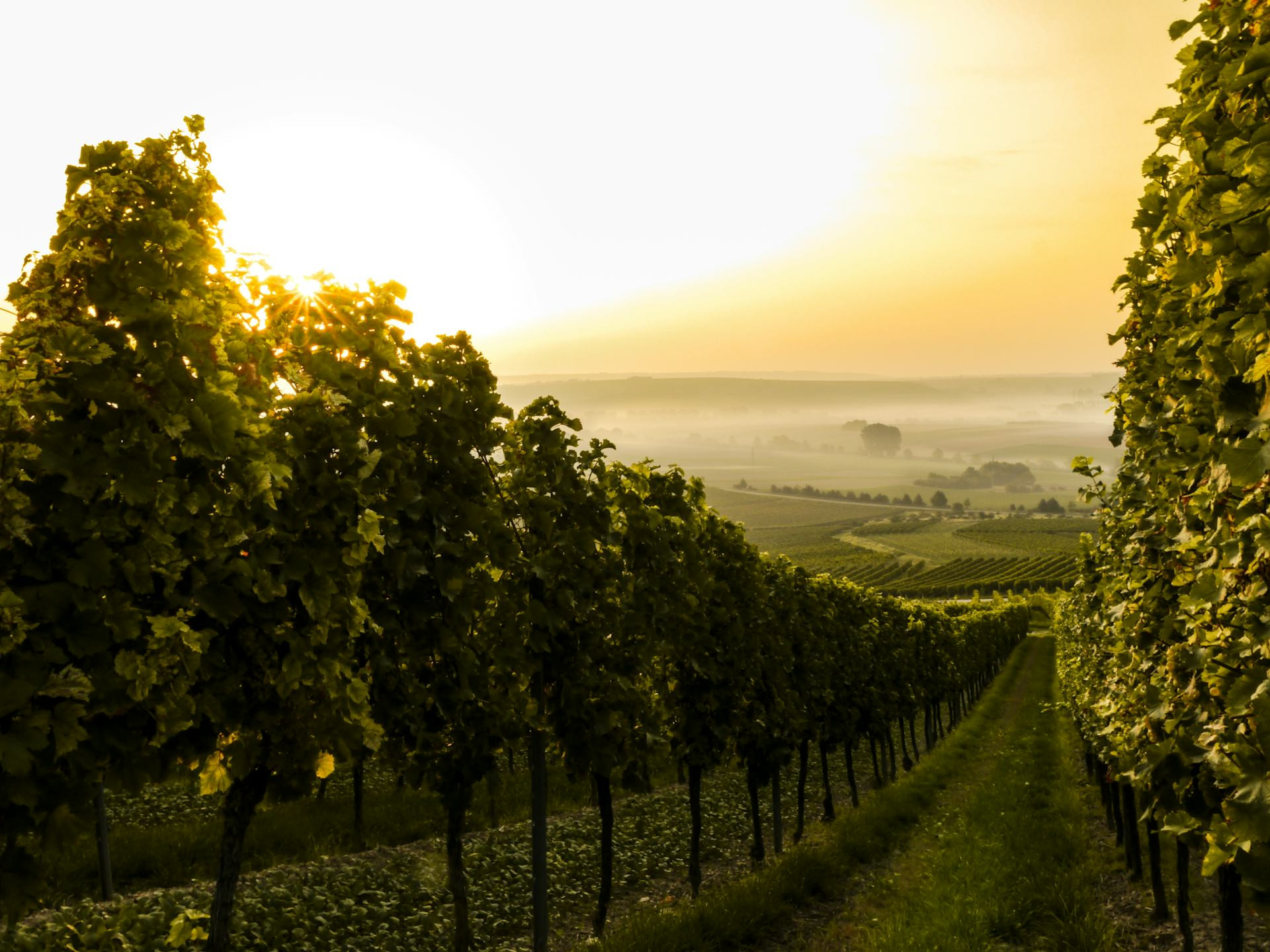
For centuries, wine production has thrived in temperate regions such as France, Italy, and California. But as the planet warms, the boundaries of viable wine regions are shifting. Vineyards are now flourishing in places once considered too cold, including parts of Canada, northern Europe, and even the Pacific Northwest of the United States.
At the same time, traditional wine regions like Napa Valley, southern Spain, and parts of Australia are grappling with heat waves, wildfires, and water scarcity. Grapes ripen faster in hotter conditions, often leading to higher sugar levels, lower acidity, and higher alcohol content — a combination that can upset the balance of a wine’s flavor. To adapt, many producers are experimenting with new grape varieties, planting at higher elevations, or adjusting canopy management to protect grapes from excessive sun.
Old Grapes, New Strategies
One of the most striking trends is the revival of forgotten or lesser-known grape varieties that are naturally more resilient to heat and drought. In California, some winemakers are turning to Mediterranean varieties like Tempranillo, Grenache, and Vermentino, which can better withstand warmer, drier conditions than traditional Cabernet Sauvignon or Chardonnay.
In Oregon and Washington, growers are exploring cooler microclimates and higher-altitude sites to preserve the delicate balance of acidity and flavor. Meanwhile, European producers are approving new grape varieties for use in classic regions like Bordeaux and Burgundy — a sign that adaptation is no longer optional but essential.
Technology and Precision in the Vineyard
Technology is playing a growing role in helping winemakers adapt to a changing climate. Drones, satellite imagery, and soil sensors allow growers to monitor moisture levels, temperature, and vine health in real time. This data-driven approach enables more precise irrigation, reduces waste, and helps farmers respond quickly to stress in the vines.
Artificial intelligence is also entering the vineyard, helping predict optimal harvest times and manage fermentation processes. These tools not only help maintain quality but also support sustainability in an industry that has long depended on stable weather patterns.
Læs også:


Sustainability as a Necessity
Climate change has made sustainability a central focus for the wine world. Many producers are shifting toward organic, biodynamic, or regenerative farming practices to improve soil health and reduce carbon emissions. Others are investing in water-saving technologies, renewable energy, and lighter, recyclable packaging to minimize their environmental footprint.
Consumers are part of this transformation too. In the U.S., demand for sustainably produced wines is growing rapidly, especially among younger drinkers who value transparency and environmental responsibility. This shift in consumer behavior is pushing wineries to think greener — not just in the vineyard, but throughout the entire production chain.
The Taste of a Changing Climate
Climate change doesn’t just affect where wine can be made — it also changes how it tastes. Warmer conditions often produce riper grapes with more sugar, leading to fuller-bodied wines with higher alcohol levels. At the same time, acidity tends to drop, and flavor profiles evolve, sometimes losing the freshness and subtlety associated with cooler climates.
Some wine lovers welcome these bolder styles, while others miss the crispness and elegance of traditional vintages. For winemakers, the challenge is to preserve the character of their region while adapting to nature’s new rhythm.
The Future Landscape of Wine
The future of wine will likely be more diverse than ever. New regions — from British Columbia to Michigan and even parts of New England — are emerging as serious players. Meanwhile, established regions will need to reinvent themselves to survive in a warmer world.
Climate change is undeniably a threat, but it is also a catalyst for innovation. The wine industry has always been deeply connected to the land, and that connection may be its greatest strength. As the climate continues to evolve, so too will the wines we drink — telling the story of a planet, and an industry, in transformation.
Læs også: