Hunting with Care: The Path to a Sustainable Lifestyle and Respect for Nature


Hunting with Care: The Path to a Sustainable Lifestyle and Respect for Nature
For centuries, hunting has shaped the relationship between humans and the natural world—from survival and tradition to recreation and conservation. In today’s era of environmental awareness, hunting is being redefined. It’s no longer just about the pursuit of game, but about understanding one’s place in nature’s balance and taking responsibility for wildlife and ecosystems. Hunting with care means hunting with knowledge, ethics, and respect.
Hunting as Part of Nature’s Balance
When practiced responsibly, hunting can play a vital role in wildlife management. Across the United States, many animal populations—such as white-tailed deer or wild hogs—have grown beyond what their habitats can sustain, often due to the absence of natural predators. Regulated hunting helps maintain healthy populations, preventing overgrazing, disease, and habitat degradation.
But sustainable hunting requires more than a license and a rifle. A responsible hunter studies the species, understands breeding seasons, and respects protected areas. It’s about taking only what nature can afford to give and giving back through stewardship—whether by maintaining habitats, supporting conservation programs, or simply leaving the land better than it was found.
From Firearm to Ethics – The Modern Hunter’s Responsibility
Being a hunter today is as much about ethics as it is about skill. The modern hunter recognizes that every action in the field affects not only wildlife but also the broader environment and community.
- Respect for the animal: A clean, humane shot is a moral obligation. The goal is to minimize suffering.
- Respect for the land: Leave no trash, avoid unnecessary vehicle use, and protect fragile habitats.
- Respect for others: Share the outdoors safely and courteously with hikers, birdwatchers, and other nature enthusiasts.
Ethical hunting doesn’t limit the experience—it enriches it. It transforms hunting from a mere sport into a meaningful connection with the natural world.
Sustainability in Practice
Sustainable hunting also extends to how the harvest is used. Consuming wild game is one of the most environmentally friendly ways to eat meat. Wild animals live freely, feed naturally, and require no industrial farming or long-distance transport. Many hunters today embrace the principle of using the whole animal—from meat to hide to antlers—reducing waste and honoring the life taken.
Hunters also contribute to conservation through habitat restoration, planting native vegetation, or supporting organizations like Ducks Unlimited and the Rocky Mountain Elk Foundation. These efforts ensure that hunting remains part of a healthy, thriving ecosystem rather than a threat to it.
Læs også:




Community and Tradition
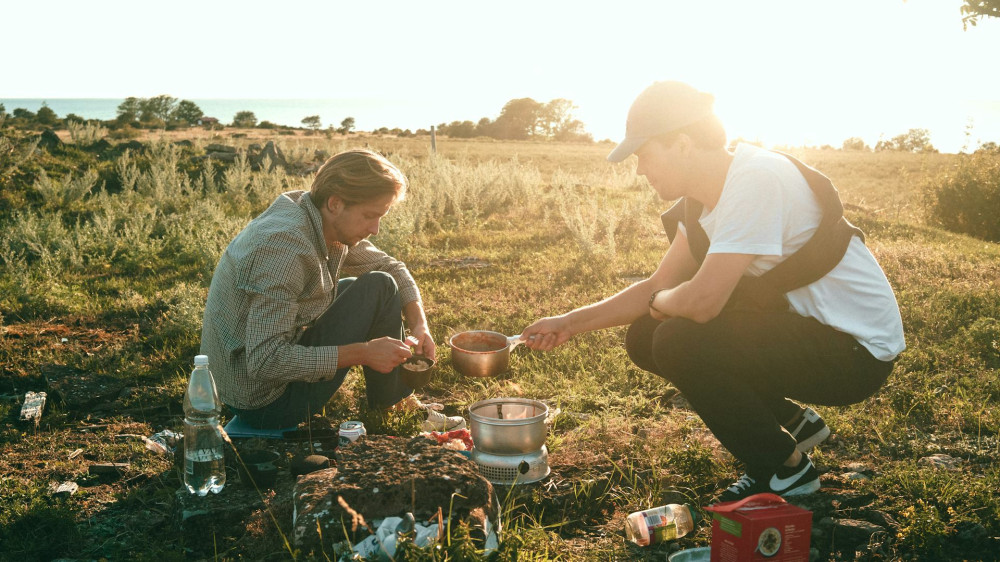
Hunting in America is deeply rooted in community and tradition. Knowledge is often passed down through families or shared in local hunting clubs, where experienced hunters teach newcomers about safety, ethics, and ecology. The camaraderie around a campfire, the early morning stillness, and the shared respect for the land are all part of what makes hunting meaningful.
At the same time, new generations of hunters are bringing fresh perspectives—emphasizing sustainability, biodiversity, and animal welfare. This evolution keeps the tradition alive and relevant in a changing world.
Hunting as a Way of Life
For many, hunting becomes more than a seasonal pastime—it’s a way of life. It fosters a deeper connection to the land, the seasons, and the food we eat. Rising before dawn, feeling the chill in the air, and listening to the forest awaken remind us that we are not separate from nature but part of it.
This lifestyle encourages mindfulness and gratitude. It teaches patience, humility, and respect for the cycles of life and death that sustain all living things.
A New Path for Hunting
Hunting with care is not about giving up passion or excitement—it’s about aligning that passion with purpose. When hunters act as stewards of the land, they demonstrate that hunting can be part of the solution to environmental challenges, not the problem.
It takes knowledge, humility, and a long-term vision. But in the end, sustainable hunting is about more than taking a life—it’s about preserving the wild places and creatures that make life richer. By hunting with care, we ensure that future generations inherit not just the tradition of hunting, but the thriving natural world that makes it possible.
Læs også: