Back to Everyday Life After a Loss – Without Hiding the Grief


Back to Everyday Life After a Loss – Without Hiding the Grief
When someone you love dies, everyday life changes in an instant. What once felt routine can suddenly seem meaningless, and even the smallest tasks can feel overwhelming. Many people try to return quickly to work, family, and daily responsibilities—but grief doesn’t disappear just because life goes on. This article explores how to gradually find your way back to everyday life after a loss—without denying or hiding your grief.
Grief as Part of Everyday Life
Grief isn’t something to “get over.” It’s a process to live with. It changes shape over time, but it rarely vanishes completely. It’s important to accept that grief can exist alongside joy, laughter, and ordinary moments.
In American culture, where resilience and positivity are often celebrated, there can be pressure to “move on” quickly. But it’s perfectly normal for grief to linger—months or even years after a loss. Allowing space for it doesn’t mean you’re stuck; it means you’re honoring the love that still lives within you.
Small Steps Toward a New Rhythm
Returning to everyday life isn’t about forgetting—it’s about rediscovering a rhythm that can carry you forward. It often begins with small, manageable steps:
- Create a simple daily plan. Structure can bring calm when everything feels chaotic. Start with regular times for meals, rest, and short walks.
- Allow for pauses. Some days will be harder than others. That’s okay. Give yourself permission to slow down and do less.
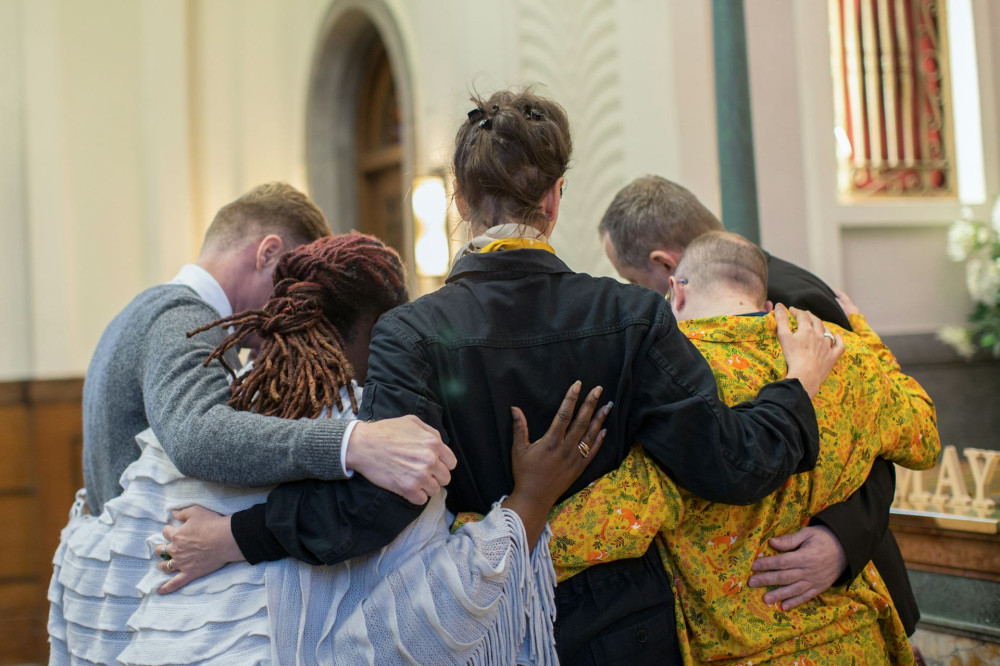
- Reach out for support. Talk with friends, family, or a grief support group. Sharing your feelings can ease the weight and help others understand what you’re going through.
- Notice small moments of light. A morning coffee, a favorite song, or a walk in the park can be gentle reminders that life still holds warmth and meaning.
The most important thing is to move at your own pace. There’s no right or wrong way to grieve.
Returning to Work
For many Americans, work is a major part of identity and routine. Going back can feel like a sign of “normalcy,” but it can also be emotionally draining. Consider talking openly with your supervisor or HR department about what you’re experiencing. Most workplaces want to be supportive but may not know how unless you share your needs.
If possible, a gradual return—starting with reduced hours or flexible arrangements—can help. Setting small boundaries, like taking short breaks or having a quiet moment before meetings, can make the transition easier. Remember, functioning at work doesn’t mean your grief is gone; it simply means you’re learning to carry it with you.
When Others Fall Silent
One of the hardest parts of grief is when the world around you moves on. Friends and colleagues may stop mentioning your loss, unsure of what to say or afraid of upsetting you. But silence can feel like another kind of loss.
It can help to take the initiative—to let people know you still want to talk about your loved one or that you still need support. Some find comfort in joining community groups, faith-based gatherings, or online spaces where others understand what it means to grieve.
Finding Meaning in What Remains
Over time, grief often changes. It becomes less consuming, though it never fully disappears. Many people find meaning in remembering—through photos, rituals, or acts that honor the person who’s gone.
You might plant a tree, volunteer for a cause they cared about, or simply share stories about them. These gestures keep their memory alive and transform grief into something that connects rather than isolates.
Læs også:



Living On – Not Instead Of, But With
Returning to everyday life after a loss isn’t about closing the door on the past. It’s about learning to live with it. Grief becomes a quiet companion—a reminder of love, loss, and the fragility of life.
When you allow grief to exist without letting it define everything, you make space for both sorrow and joy. That’s when everyday life slowly begins to take shape again—not as it was before, but as something new, carrying both what you’ve lost and all that you still have.
Læs også: