Remembering and Moving Forward – Two Sides of the Same Journey


Remembering and Moving Forward – Two Sides of the Same Journey
When we lose someone we love, the world changes. Time keeps moving, but its rhythm feels different. Memories stand like small islands in a sea of change—sometimes comforting, sometimes painful. Remembering and moving forward are not opposites, but two sides of the same journey. One is about keeping the connection to what was. The other is about finding our footing in what is.
The Many Faces of Grief
Grief is not a straight path. It moves in waves—some days gentle, other days overwhelming. In American culture, where independence and resilience are often celebrated, it can be hard to give grief the space it needs. We’re taught to “stay strong,” to keep going, to focus on the positive. But grief that isn’t expressed doesn’t disappear; it settles in quietly, showing up as fatigue, restlessness, or a sense of emptiness.
Acknowledging grief is the first step. It doesn’t mean talking about it all the time, but allowing yourself to feel it when it comes. It might happen during a quiet moment, on a walk, or when a song or scent brings back a memory. Grief is love that has nowhere to go—and love doesn’t vanish, even as life moves forward.
Remembering Without Getting Stuck
To remember is to keep the bond alive in a way that feels meaningful. It might be through photos, rituals, or small daily gestures. Some people light a candle on special days, others write letters or visit a place that holds significance.
What matters most is that memories are allowed to live—not as a burden, but as part of your story. When we dare to remember, we also open the door to gratitude: for what we experienced, and for the parts of ourselves shaped by that relationship.
Læs også:


Moving Forward Without Forgetting
Moving forward doesn’t mean forgetting. It means finding a new way to exist in the world, one where the person you lost still has a place—but not the power to hold you back. It takes time to reach that point, and there’s no right or wrong way to get there.
For some, it helps to create new routines: taking up running, volunteering, or exploring a new hobby. For others, it’s about rediscovering joy in small things—a morning coffee in the sun, a conversation with a friend, a laugh that catches you by surprise. Life slowly regains its color, even if it first appears in softer shades.
The Power of Community
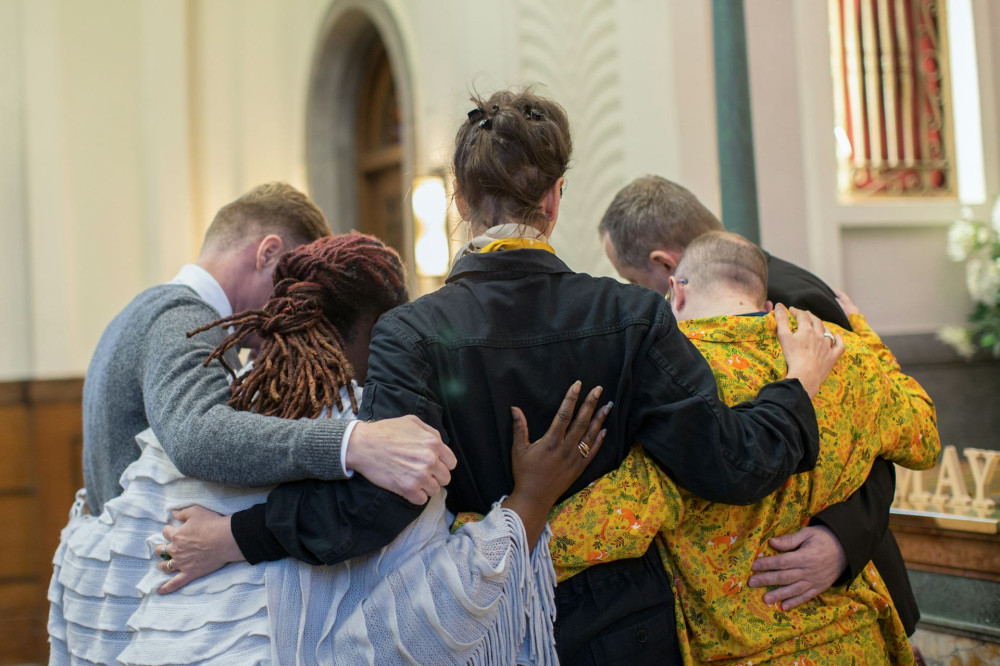
Though grief often feels isolating, community is one of the strongest forces for healing. Reaching out can be difficult, but sharing the experience makes a difference—even when words fall short. A talk with a friend, a support group meeting, or simply being with others without needing to explain everything can bring comfort.
Across the United States, there are growing networks and organizations that offer spaces for people to connect through loss—whether it’s a local grief group, a church community, or an online forum. These spaces aren’t about “fixing” grief, but about carrying it together.
Finding Meaning in What Remains
When the shock and sharp pain begin to fade, a new phase begins: finding meaning. This doesn’t make the loss smaller, but it helps us see that life still holds possibilities. Some people choose to volunteer, create art, or support others who are grieving. For many, it becomes a way to honor the one they lost—by letting love take on a new form.
Remembering and moving forward are not separate chapters, but a movement back and forth. The memories stay with us, and life continues. It’s in the space between the two that we find the strength to be whole—to live with both sorrow and hope in our hearts.
Læs også: