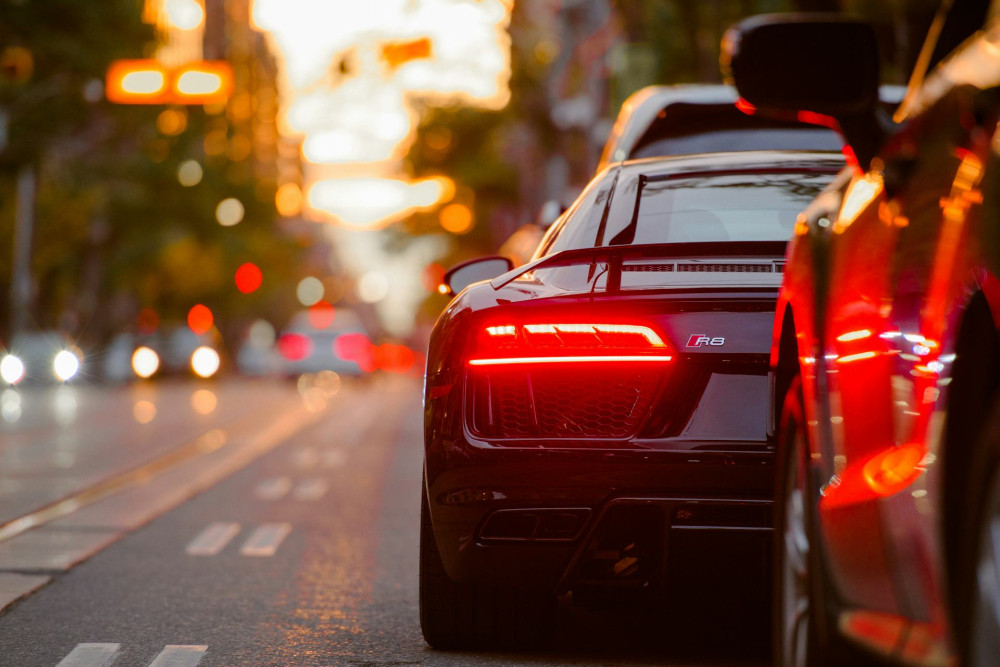
From Classic to New Generation – How Car Models Are Refined Over Time

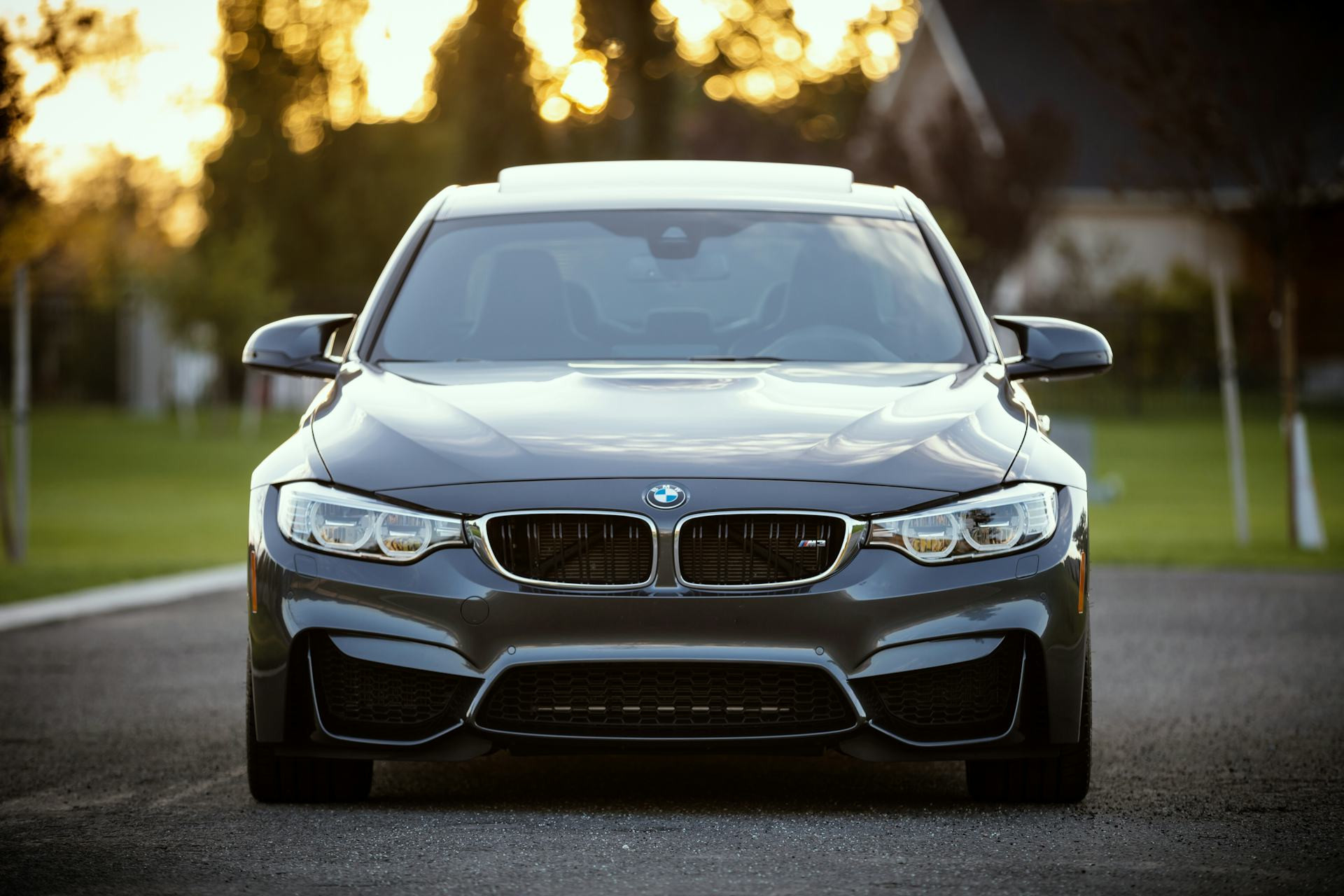
From Classic to New Generation – How Car Models Are Refined Over Time
When a new car model is unveiled, it’s rarely a complete reinvention. More often, it’s the result of decades of experience, design tradition, and technological progress. From the first versions that set the standard to the latest generations packed with advanced electronics and sustainable solutions, the evolution of car models is a study in how the auto industry refines the familiar without losing its soul. But how does this refinement happen—and why do classic models still resonate in modern cars?
Evolution, Not Revolution
Most automakers follow the principle of evolution. A model that has earned customer trust shouldn’t be reinvented from scratch but improved step by step. Everything from the engine and suspension to design and materials is gradually refined.
Take the Ford F-150, for example. Since its debut in 1948, it has gone through numerous generations, each one maintaining its core identity as a durable, capable pickup while integrating new technologies and comfort features. The same can be said for the Chevrolet Corvette and Toyota Camry, where continuity and innovation go hand in hand.
This gradual development creates familiarity. Drivers feel at home in a new model because it still carries the essence of what they know, while the manufacturer builds on a strong brand legacy.
The Art of Design Refinement
Design is often the first thing people notice, yet changes here are usually subtle. A new generation might feature sharper lines, slimmer headlights, or a more aerodynamic profile—but the proportions and design language remain recognizable.
Automakers often talk about “design DNA”—the traits that make a brand instantly identifiable. The Porsche 911, for instance, has kept its iconic silhouette for over six decades, even though everything beneath the surface has evolved. It’s a delicate balance: modernizing without losing what makes the car unique.
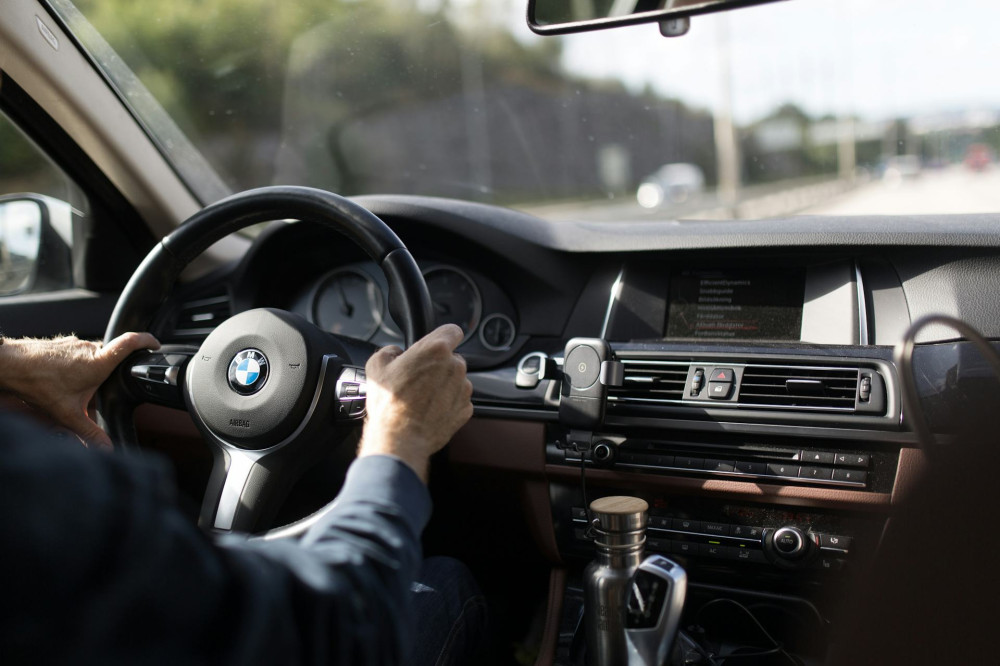
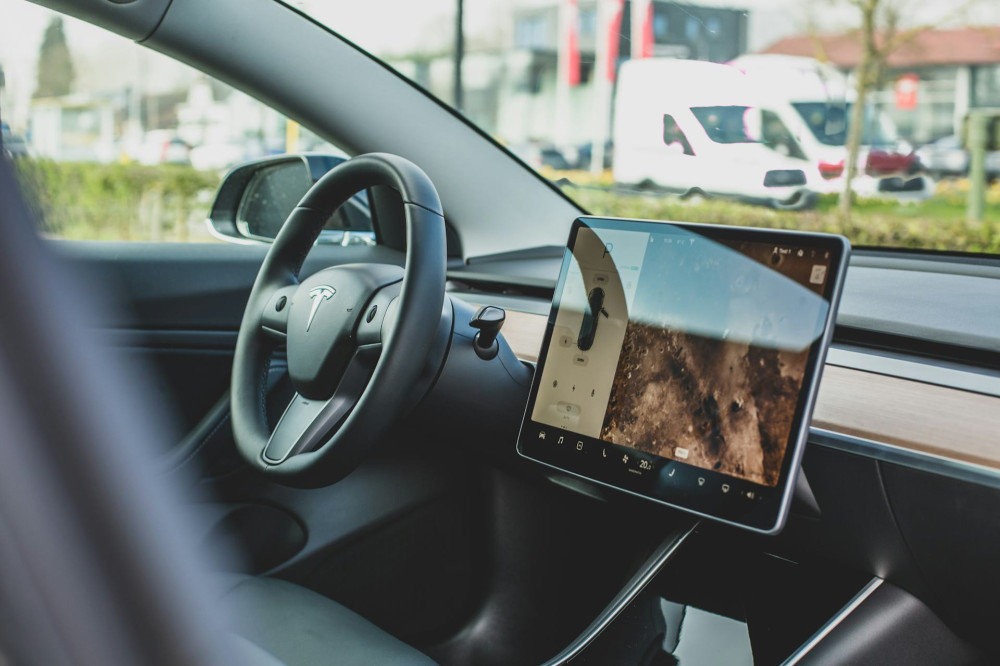
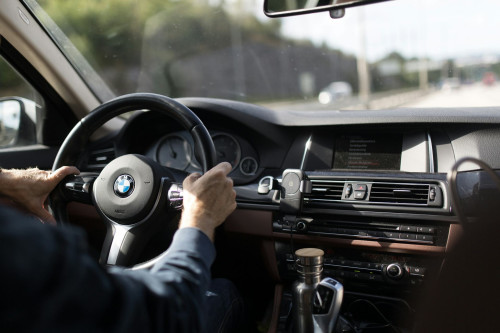
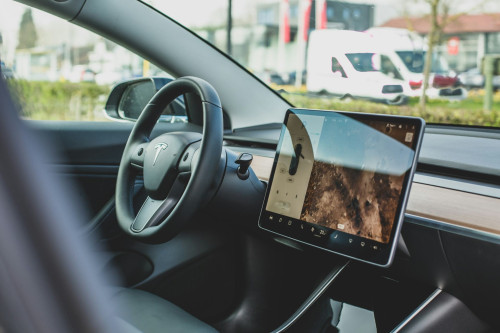
Inside the cabin, the transformation has been even more dramatic. Where dashboards once bristled with buttons, many functions are now controlled through large touchscreens. Materials have become more sustainable, and comfort levels now rival those of luxury vehicles from just a decade ago.
Technology as the Driving Force
Technological progress is the most visible difference between generations. Engines have become more efficient, transmissions smoother, and safety systems far more advanced. Where a car in the 1990s might have offered anti-lock brakes as an option, today’s models come standard with adaptive cruise control, automatic emergency braking, and lane-keeping assistance.
Electrification has accelerated this evolution even further. Many classic models now come in hybrid or fully electric versions, and automakers are working hard to preserve the driving excitement even as the sound of the engine fades. It’s a challenge that demands innovation—but also respect for the car’s original character.
The Legacy of the Classics
Even as technology transforms the industry, automakers continue to draw on their heritage. Design cues, model names, and driving characteristics are deliberately used to connect past and present. When Ford introduced the Mustang Mach-E, it wasn’t by chance that it carried the name of one of America’s most iconic cars. The message was clear: even in an electric future, the spirit of the classic Mustang lives on.
Similarly, the Jeep Wrangler and Chevrolet Blazer show how classic models can evolve without losing their identity. The new versions are safer, more efficient, and packed with technology—but they still embody the ruggedness and character that made the originals beloved.
Læs også:

Refinement for the Future
In the coming years, refinement will increasingly focus on software, user experience, and sustainability. Over-the-air updates will allow cars to improve while parked in the driveway, and every aspect of production—from materials to energy use—will be scrutinized to reduce environmental impact.
Yet no matter how digital the future becomes, automakers will continue to build on what they already know. The evolution of the automobile isn’t just about engineering—it’s about emotion, tradition, and identity. That’s why we still celebrate the classics, and why new generations will always carry their legacy forward.
Læs også: