Icons on Four Wheels: The Car Models That Have Left Their Mark on Pop Culture

Icons on Four Wheels: The Car Models That Have Left Their Mark on Pop Culture
Cars are more than machines that take us from point A to point B – they’re reflections of who we are, the times we live in, and the dreams we chase. Through movies, music, and advertising, certain models have transcended their mechanical purpose to become cultural icons. They evoke nostalgia, admiration, and instant recognition across generations. Let’s take a look at some of the car models that have truly left their tire tracks on pop culture.
Ford Mustang – The American Dream on the Open Road
Few cars capture the spirit of America quite like the Ford Mustang. When it debuted in 1964, it embodied freedom, youth, and the thrill of the open road. Affordable yet sporty, it became the car of choice for those who wanted performance without pretense. Its long hood, muscular stance, and unmistakable growl made it a star both on the streets and on the silver screen.
From high-speed chases in classic action films to its enduring presence in modern blockbusters, the Mustang has always represented rebellion and independence. Decades later, it remains a symbol of American ingenuity and the enduring allure of horsepower.
Chevrolet Corvette – The All-American Sports Car
The Chevrolet Corvette has been America’s sports car since the 1950s, a symbol of style, speed, and aspiration. With its sleek curves and roaring V8, the Corvette became a dream car for generations who saw it as the ultimate expression of success and adventure. It’s been featured in countless films, TV shows, and songs, often as the ride of choice for the confident hero or the daring romantic.
Over the years, the Corvette has evolved with the times – from the chrome-laden classics of the ’60s to the futuristic mid-engine models of today – but its essence remains the same: pure, unapologetic performance wrapped in American pride.
Læs også:

DeLorean DMC-12 – The Time Machine That Made History
The DeLorean DMC-12 may have had a short production run in the early 1980s, but its place in pop culture is eternal. With its stainless-steel body and gull-wing doors, it looked like something from another world – and when it became the time-traveling car in one of the most beloved film trilogies of all time, it achieved instant immortality.
In reality, the DeLorean struggled with reliability and sales, but on screen, it became a symbol of imagination and innovation. Today, it’s a cult classic that reminds us how technology and storytelling can combine to create legends.
Volkswagen Beetle – The People’s Car with Personality
The Volkswagen Beetle is one of the most recognizable cars ever made. Originally designed as an affordable car for the masses, it evolved into a symbol of individuality and counterculture in the 1960s and ’70s. Its friendly, rounded shape and distinctive engine sound made it instantly lovable.
The Beetle starred in numerous films and TV shows, often as the quirky companion to idealistic or free-spirited characters. It became a global icon of simplicity, optimism, and freedom – proof that a car doesn’t need to be fast or flashy to win hearts.
Tesla Model S – The Future on Four Wheels
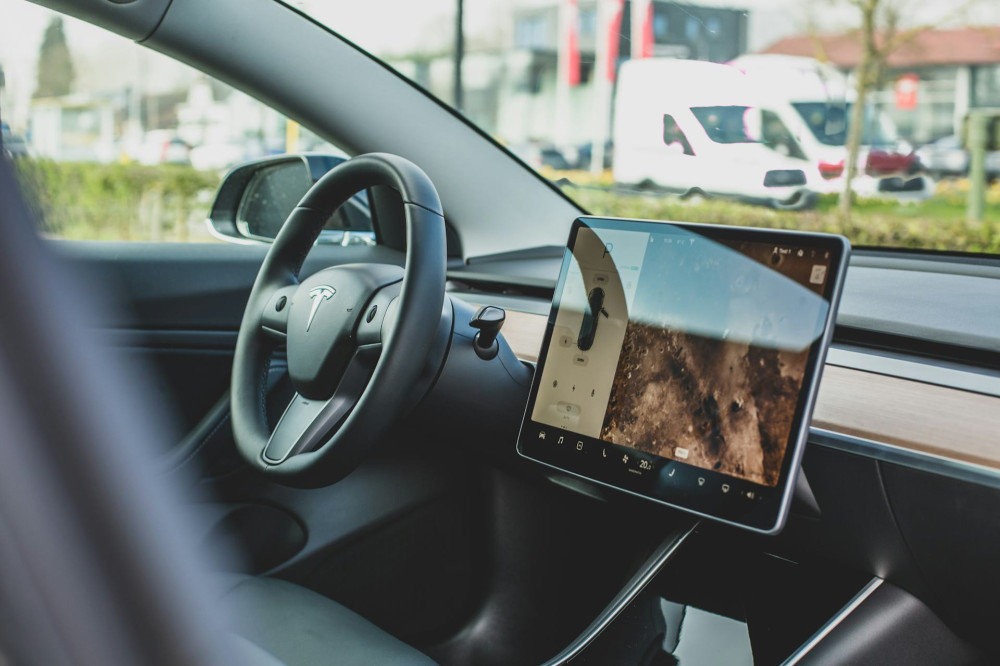
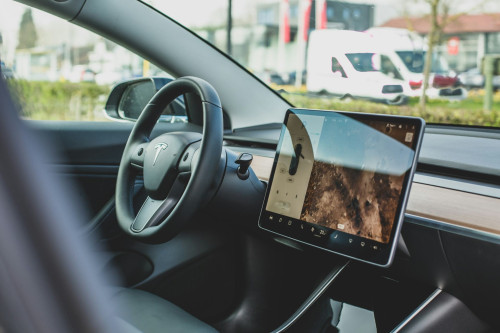
While the classics represent the dreams of the past, the Tesla Model S stands for the aspirations of the future. With its electric powertrain, minimalist design, and cutting-edge technology, it redefined what a luxury car could be. It’s not just a vehicle – it’s a statement about innovation, sustainability, and progress.
The Model S has become a fixture in modern pop culture, appearing in films, music videos, and celebrity garages. It symbolizes a shift in how we think about cars: from gas-powered machines to intelligent, connected devices that point toward a cleaner, smarter future.
Cars as Cultural Mirrors
Each of these models tells a story about its era. The Mustang speaks of freedom and rebellion, the Corvette of ambition and style, the DeLorean of imagination and nostalgia, the Beetle of individuality and joy, and the Tesla of transformation and technology. They’re more than vehicles – they’re cultural mirrors reflecting our values, dreams, and the roads we’ve traveled.
When we look back at automotive history, we don’t just see metal and engines. We see stories of people, ideals, and eras. And that’s why some cars never fade away – they keep driving through our collective imagination, mile after mile.
Læs også: