From Mechanical Reels to Digital Jackpots – How Technology Has Transformed the Gaming Experience

From Mechanical Reels to Digital Jackpots – How Technology Has Transformed the Gaming Experience
From the clinking of early slot machines to today’s immersive online casinos with 3D graphics and live dealers, the gaming world has undergone a remarkable technological transformation. What once required pulling a lever and hoping for three matching symbols has evolved into a digital universe powered by algorithms, artificial intelligence, and virtual reality. But how did we get here—and what does this evolution mean for the way Americans play today?
The Mechanical Beginnings
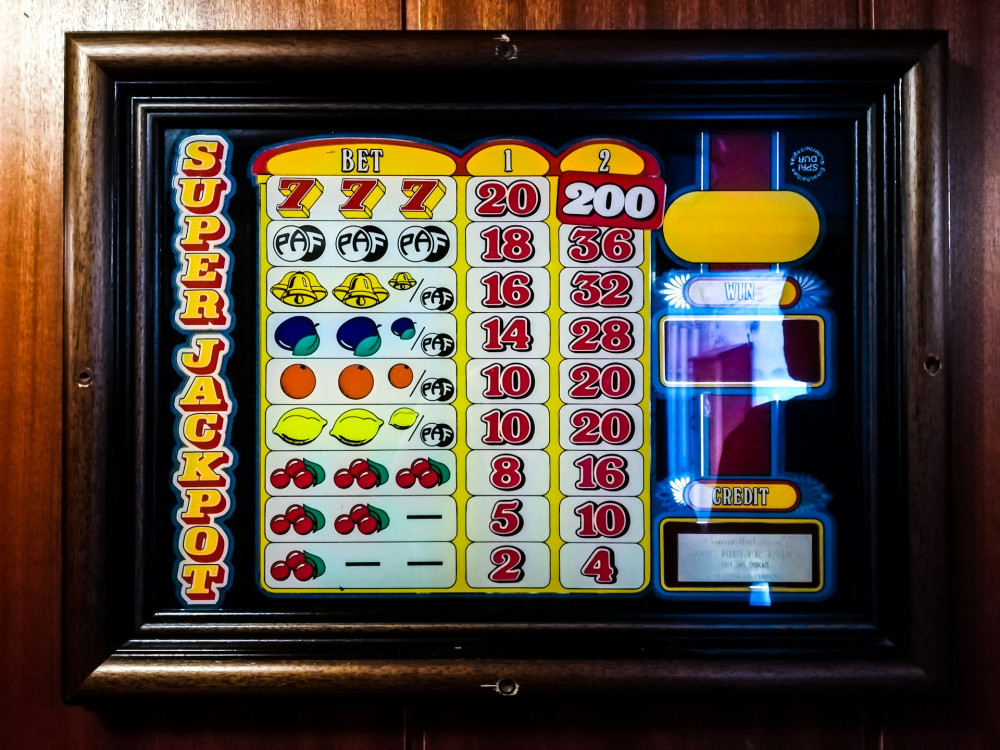
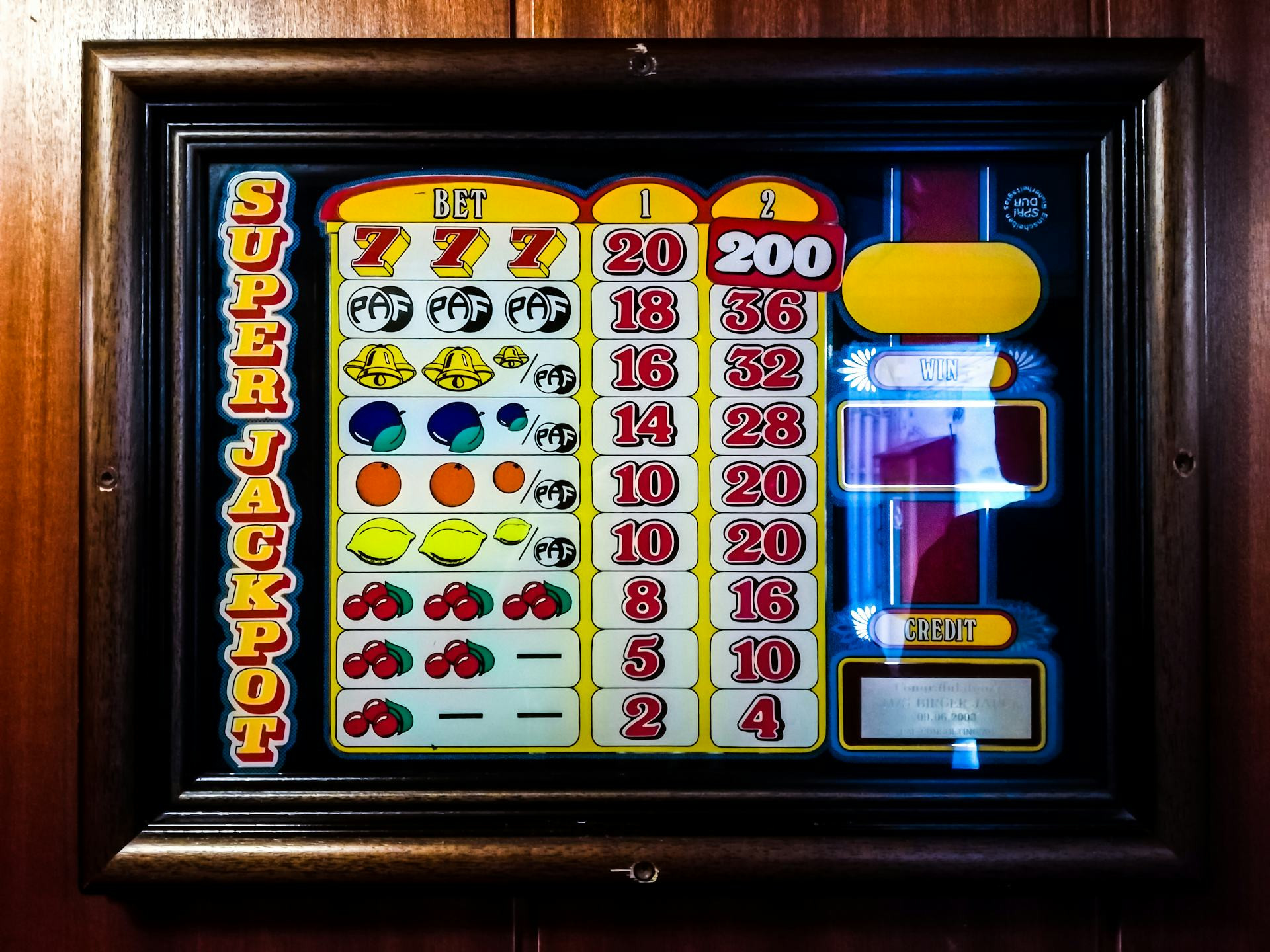
The story of modern casino gaming begins in the late 19th century, when the first mechanical slot machine was invented in San Francisco. Known as the “Liberty Bell,” it featured three spinning reels and five symbols, and quickly became a hit in bars and saloons across the United States. The simple mechanics and tactile lever gave players a sense of control and excitement that defined the early gaming experience.
Over the following decades, slot machines became more sophisticated, but the principle remained the same: mechanical reels, coins, and the thrill of chance. It wasn’t until the 1960s that electronics began to reshape the game.
From Mechanics to Microchips
The shift from mechanical to electronic slot machines marked a turning point. Microchips and digital circuitry allowed for multiple paylines, bonus rounds, and more complex symbols. Casinos could now adjust payout percentages and introduce new games without redesigning the entire machine.
This innovation paved the way for the first video slots in the 1970s and 1980s, where screens replaced physical reels. Suddenly, gaming became more visual and thematic, with animations, sound effects, and storylines inspired by movies, mythology, and pop culture.
Læs også:



The Internet Revolution – Casinos Go Online
When the internet became mainstream in the 1990s, the gaming industry took another leap forward. The first online casinos appeared, allowing players to enjoy blackjack, roulette, and slots from the comfort of their homes. It was a revolution that made gaming more accessible than ever before.
Early online games were simple, with basic graphics and slow connections, but technology advanced quickly. Broadband, improved software, and secure payment systems turned online casinos into a global industry. Players could now choose from thousands of games, join tournaments, and even chat with others in real time.
Mobile Gaming and the Personalized Experience
The rise of smartphones in the 2010s changed the landscape once again. Suddenly, the casino fit in your pocket. App-based games and mobile-optimized websites made it possible to play anywhere—on the couch, during a commute, or on a lunch break.
At the same time, data analytics and artificial intelligence began shaping more personalized experiences. Game providers could tailor recommendations, bonuses, and promotions to individual players. This made gaming more engaging, but also raised new questions about responsible play and digital well-being.
Live Casinos and Virtual Reality – Bringing the Human Touch Back
While digitalization removed many physical elements, technology also made it possible to recreate the social side of gaming. Live casinos, where real dealers are streamed via video, offer an authentic atmosphere reminiscent of a traditional casino floor.
Developers are also experimenting with virtual reality (VR) and augmented reality (AR), allowing players to walk through digital casinos, sit at tables, and interact with others in three-dimensional environments. It’s a fusion of gaming, technology, and social experience that points toward the future of entertainment.
The Future: Artificial Intelligence and Blockchain
The next wave of innovation is already underway. Artificial intelligence is being used to create smarter opponents, predict player behavior, and detect problematic gaming patterns early. Meanwhile, blockchain technology promises greater transparency and security, enabling verifiable transactions and fair play without intermediaries.
As the boundaries between gaming, entertainment, and social media continue to blur, the casino of the future may be as much a digital community as a place to play.
A Constantly Evolving Experience
From the first mechanical reels to today’s digital jackpots, technology has not only changed how we play—but also why we play. Gaming has become more accessible, visual, and personalized, yet also more complex. For some, it’s still about the thrill of winning; for others, it’s about the experience, the community, or simply a moment of escape.
Whatever the future holds, one thing is certain: the gaming experience will keep evolving alongside technology—and the fascination with taking a chance is here to stay.
Læs også: