The Jackpot as a Symbol: The Dream of Luck, Success, and the Big Break

The Jackpot as a Symbol: The Dream of Luck, Success, and the Big Break
When the reels spin and the lights flash, it’s not just money that’s at stake. The jackpot has become a symbol of something much larger—the dream of luck, success, and that one moment when everything changes. It represents the hope that life can take an unexpected turn, that fortune might smile on us just once. But why does the jackpot fascinate us so deeply, and what does it reveal about the way we think about luck and success?
From Coin Slot to Cultural Myth
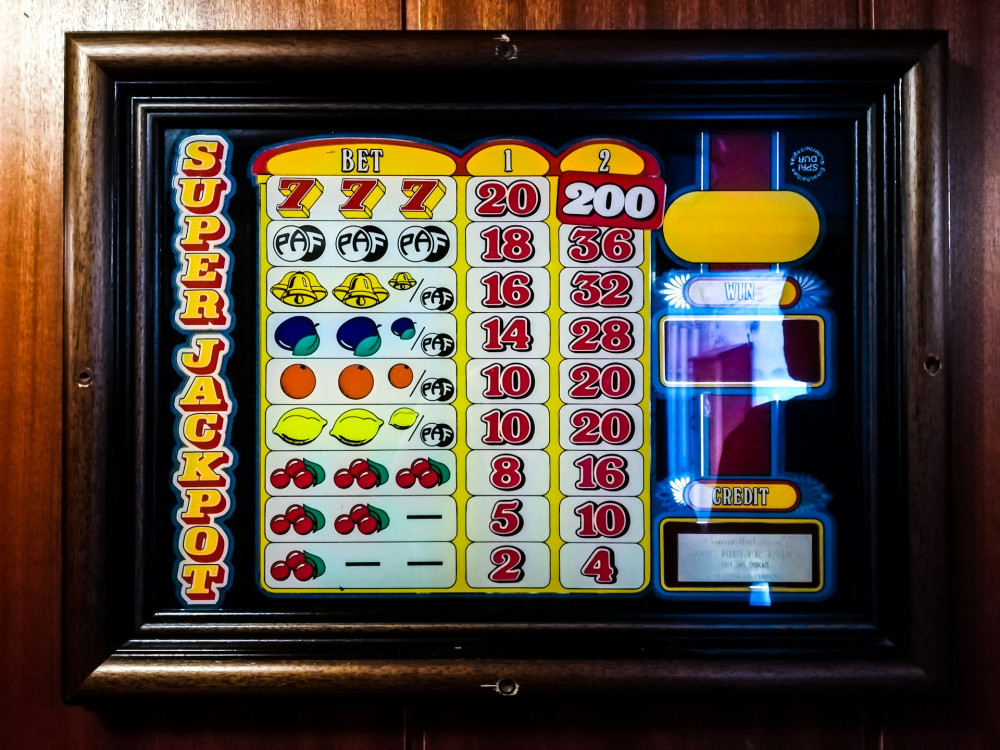
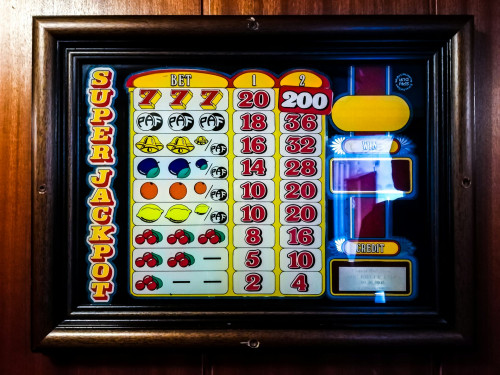
The idea of the jackpot began with early slot machines in the early 20th century, when a rare combination of symbols triggered a big payout. Today, the jackpot is everywhere—from casinos in Las Vegas to online games and national lotteries. It has become a cultural icon, a metaphor for the sudden breakthrough that can transform everything from our finances to our sense of self.
Yet the jackpot isn’t only about money. It’s about hope—the belief that there’s a moment when everything can fall into place. It speaks to our desire for control in an unpredictable world and to our wish to believe that luck can somehow be earned.
Læs også:

Luck as Modern Currency
In a culture that celebrates hard work, planning, and perseverance, the jackpot stands as a paradox. It reminds us that success can’t always be engineered. Chance, timing, and luck play a bigger role than we often care to admit.
For many Americans, the jackpot represents a modern-day version of destiny: the idea that the one who wins isn’t just lucky but chosen. This narrative runs through everything from reality TV to startup culture, where “hitting the jackpot” often describes the moment when an idea, a product, or a person suddenly takes off.
The Dream of the Big Break
The jackpot isn’t confined to casinos. It exists in art, in careers, and in love. We say we’ve “hit the jackpot” when we land the dream job, meet the right partner, or finally achieve recognition after years of effort. It’s an expression of the human longing for transformation—for that moment when persistence finally pays off.
But the dream has a darker side. For every winner, there are thousands who don’t win. In chasing the big moment, we can lose sight of the smaller victories, the quiet satisfaction of progress. The jackpot can become a symbol of an unattainable perfection—an illusion that always seems just out of reach.
When Luck Becomes Identity
In American culture, luck is often treated as a personal trait. “Some people just have it,” we say, as if luck were part of one’s character. That makes the jackpot more than a game—it becomes a mirror of our self-image. When we win, we feel validated; when we lose, we search for meaning.
This psychological dimension is part of what keeps the jackpot so compelling. It offers a sense of control over the uncontrollable—and a reason to keep dreaming, even when the odds are stacked against us.
The Jackpot as a Mirror of Our Time
In a world defined by competition, uncertainty, and the pursuit of instant success, the jackpot has become a symbol of the shortcut—the belief that everything can change in a single moment. It embodies the hope that we can skip the waiting, the work, the doubt.
But perhaps the jackpot also reminds us that luck and success are inseparable. No matter how carefully we plan, we all need a touch of chance. And the dream of the jackpot—in games, in life, in love—is ultimately about faith: the belief that something good can happen, even when we least expect it.
Læs også: