Balanced Pizza: How to Add Whole Grains, Veggies, and Lean Protein to Your Favorite Pie

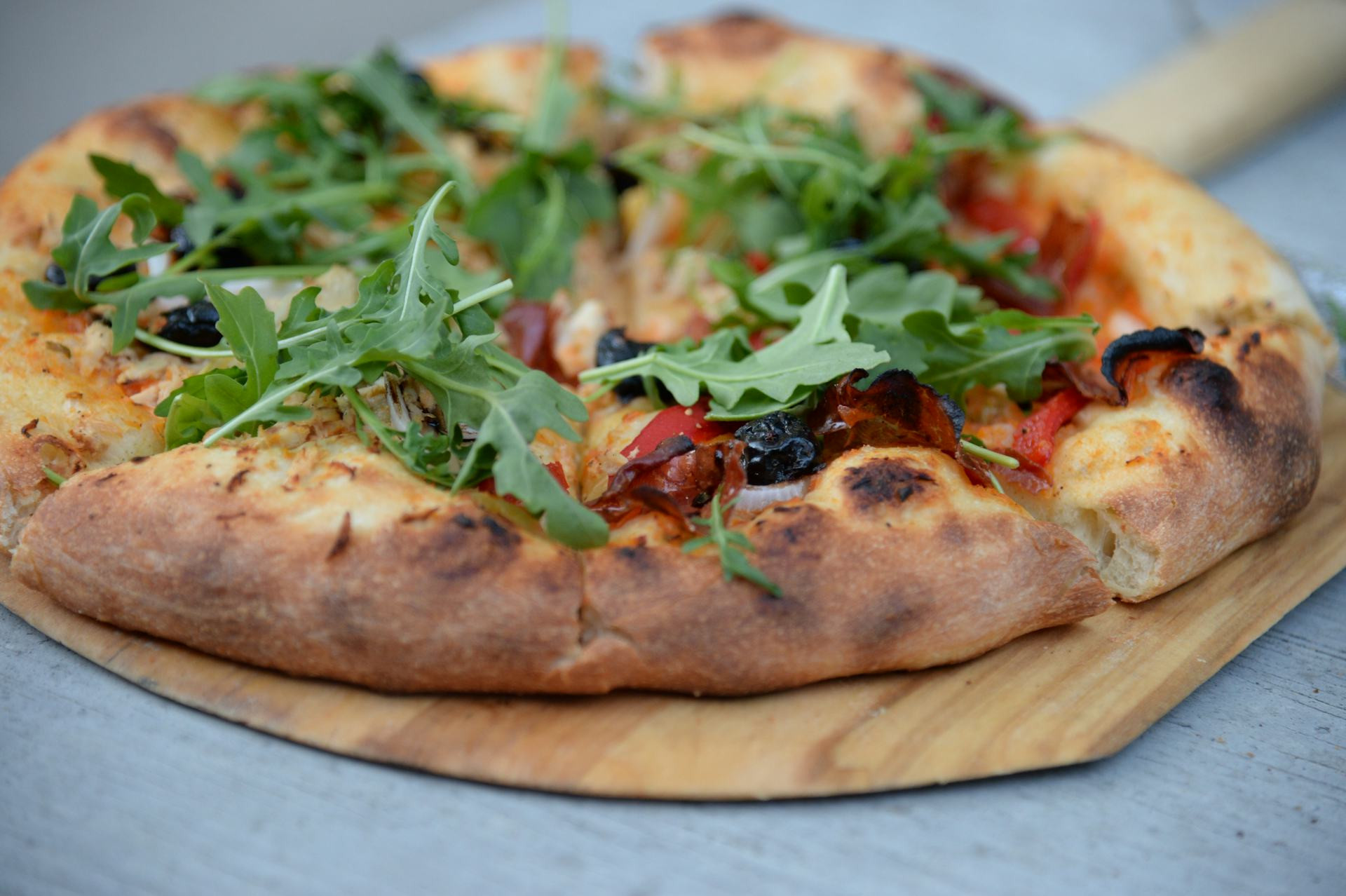
Balanced Pizza: How to Add Whole Grains, Veggies, and Lean Protein to Your Favorite Pie
For many Americans, pizza is the ultimate comfort food — warm, cheesy, and endlessly customizable. But it doesn’t have to be a guilty pleasure. With a few smart tweaks, you can turn your favorite pie into a balanced meal that’s both satisfying and nourishing. Here’s how to build a pizza that delivers on flavor, texture, and nutrition by focusing on whole grains, vegetables, and lean protein.
Start with the Crust – Whole Grains for Flavor and Fullness
The crust sets the stage for your pizza, and swapping refined flour for whole grains is one of the easiest ways to boost nutrition. Whole grains add fiber, which helps you feel full longer, and they bring a nutty, hearty flavor that pairs beautifully with classic toppings.
- Try a mix of whole wheat and all-purpose flour for a crust that’s both chewy and crisp.
- Experiment with spelt or rye flour to add depth and extra nutrients.
- Let your dough rest overnight in the fridge — a slow rise enhances flavor and makes the crust easier to digest.
If you’re short on time, look for pre-made whole grain or cauliflower crusts at your local grocery store. Just check the label to make sure whole grains are listed as the first ingredient.
Load Up on Veggies – Color, Crunch, and Nutrition
Vegetables are the secret to a pizza that feels fresh and balanced. They add vitamins, minerals, and fiber while keeping the dish light and colorful.
- Go for classics like bell peppers, mushrooms, and onions for sweetness and moisture.
- Add greens like spinach, kale, or broccoli for a nutrient boost and a pop of color.
- Try roasted zucchini, eggplant, or artichoke hearts for a more robust, Mediterranean flavor.
- Top with fresh veggies after baking — arugula, cherry tomatoes, or avocado slices add brightness and texture.
Spread your toppings evenly and avoid overloading the pizza. Too many toppings can make the crust soggy and prevent it from crisping up properly.
Choose Lean Protein – Satisfying Without the Excess
Protein helps make your pizza more filling, but traditional options like pepperoni and sausage can be high in saturated fat. Luckily, there are plenty of leaner choices that still deliver big flavor.
- Grilled chicken, turkey, or shrimp are great low-fat options that pair well with most sauces.
- Use thinly sliced lean ham or Canadian bacon for a touch of salt and smokiness.
- Try plant-based proteins like black beans, lentils, or marinated tofu for a vegetarian twist.
- Use less cheese, but choose quality — fresh mozzarella, feta, or goat cheese offer rich flavor in smaller amounts.
A sprinkle of grated Parmesan after baking can add a savory punch without piling on calories.
Læs også:
Rethink the Sauce – Less Sugar, More Taste
Many store-bought pizza sauces contain added sugar and preservatives, but making your own is quick and easy. Blend canned or crushed tomatoes with olive oil, garlic, oregano, and basil, then simmer for 10–15 minutes. The result is a rich, flavorful sauce with no unnecessary additives.
You can also switch things up with pesto, a white sauce made from ricotta, or even a light brush of olive oil and garlic for a minimalist approach.
Bake and Finish – Finding the Perfect Balance
A great pizza is all about balance — a crisp crust, flavorful toppings, and a touch of freshness. Bake your pizza at a high temperature (475°F or higher) so the crust gets golden and the toppings caramelize slightly.
Once it’s out of the oven, finish with a handful of fresh herbs, a drizzle of extra-virgin olive oil, or a squeeze of lemon juice. These small touches add aroma and brightness without extra fat or salt.
Pizza You Can Feel Good About
Pizza doesn’t have to be an indulgence you regret. By using whole grains, loading up on vegetables, and choosing lean proteins, you can enjoy a slice (or two) that fits right into a healthy lifestyle. It’s not about giving up what you love — it’s about finding the right balance.
So next time you preheat the oven, get creative and build a pizza that’s as nourishing as it is delicious.
Læs også: