Give Your Food Character: How to Use Spices and Marinades Like a Pro

Give Your Food Character: How to Use Spices and Marinades Like a Pro
Spices and marinades are the secret weapons that can turn everyday meals into memorable dishes. They highlight the natural flavors of your ingredients, create balance between sweet, sour, salty, bitter, and umami, and give your cooking a personal touch. But how do you use them like a professional? Here’s a guide to help you master the art of seasoning and marinating.
Understand the Building Blocks of Flavor
Before you start experimenting, it’s important to understand how flavor works. The five basic tastes—sweet, sour, salty, bitter, and umami—form the foundation of every dish. Spices and marinades help you balance these elements.
- Sweet tones down acidity and bitterness. Think honey, brown sugar, or caramelized onions.
- Sour brightens a dish. Lemon juice, vinegar, or buttermilk can make flavors pop.
- Salt enhances taste and ties everything together.
- Bitter adds depth—try coffee, dark chocolate, or leafy herbs.
- Umami gives richness and satisfaction. You’ll find it in soy sauce, mushrooms, tomatoes, and meats.
Once you understand how these tastes interact, you can use spices and marinades more intentionally.
Spices: From Aroma to Depth
Spices aren’t just for decoration—they’re the essence of flavor. How and when you use them can completely change a dish.
- Dry spices like cumin, paprika, and coriander develop deeper flavor when toasted briefly in a dry pan before adding them to your recipe.
- Fresh herbs such as basil, parsley, and cilantro lose their punch when overheated, so add them at the end of cooking.
- Whole spices—like peppercorns, cardamom pods, or star anise—offer more complexity than pre-ground versions.
A helpful trick is to think in terms of flavor profiles:
- Mediterranean: oregano, thyme, rosemary, garlic, lemon.
- Middle Eastern: cumin, cinnamon, cardamom, mint.
- Asian: ginger, garlic, chili, coriander.
- Latin American: paprika, lime, oregano, cilantro.
- Southern U.S.: cayenne, smoked paprika, thyme, black pepper.
Knowing these profiles helps you give your dishes a regional flair—without sticking to a strict recipe.
Marinades: Flavor and Tenderness in One
A good marinade does more than add flavor—it tenderizes and keeps meat juicy. The basic formula includes three key elements:
- Acid – such as lemon juice, vinegar, wine, or yogurt. It breaks down proteins and tenderizes the meat.
- Fat – usually oil, which carries flavor and helps spices penetrate.
- Flavor – herbs, spices, garlic, chili, honey, or soy sauce.
Let meat marinate for at least 30 minutes—longer for chicken or beef. Fish and seafood need less time, since acid can “cook” the surface quickly.
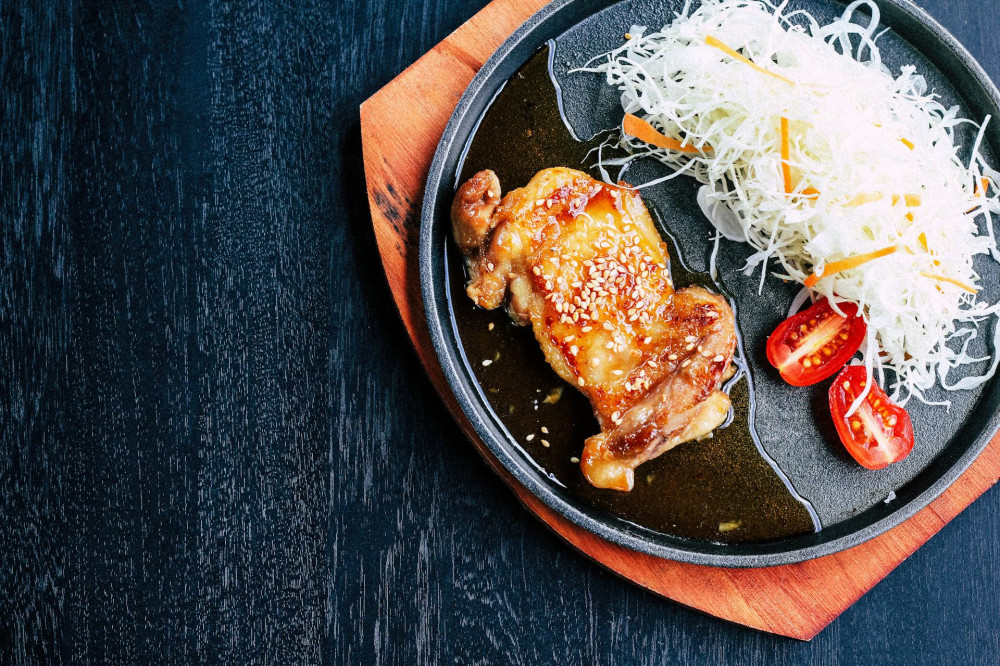
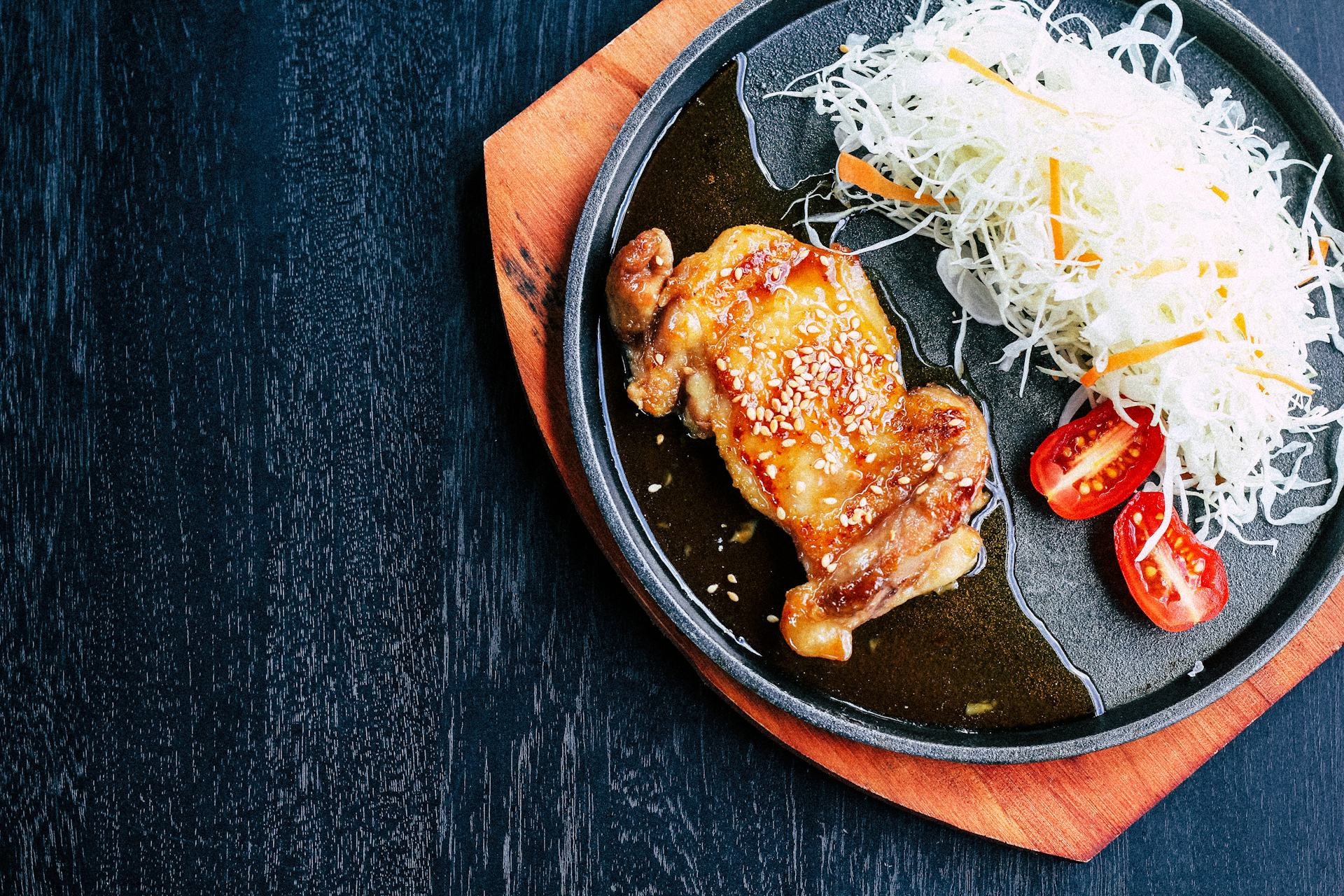
A pro tip: set aside a small portion of the marinade before adding raw meat, and use it later as a glaze or sauce while cooking. It adds depth and a beautiful caramelized finish.
Balancing Boldness and Finesse
It’s tempting to throw in every spice you have, but the secret to professional flavor is balance. One dominant spice can easily overpower the rest.
Start with small amounts, taste as you go, and let the dish rest before adjusting. Many spices develop over time—especially in stews and slow-cooked meals.
Another trick is to pair warm spices (like chili, pepper, and ginger) with sweet elements (like honey or coconut milk). This creates harmony and rounds out the flavor.
Use Your Senses—Not Just the Recipe
Professional chefs cook with their senses. Smell your spices, taste your marinades, and adjust based on what feels right. Recipes are guides, not rules.
To practice, make small batches and change one element at a time—swap lemon juice for apple cider vinegar, or cumin for fennel seeds. You’ll quickly learn how each ingredient shapes the overall taste.
Læs også:

Make It Your Signature
Once you’ve mastered the basics, start creating your own blends and marinades. Maybe a smoky chipotle marinade for the grill, a bright herb dressing for fish, or a warm spice mix for winter stews.
It’s not about following rules—it’s about finding your own style. Spices and marinades are your tools to give food character and make every dish uniquely yours.
Læs også: