Meal Plan Without Rules: Eat Balanced Without Strict Diets

Meal Plan Without Rules: Eat Balanced Without Strict Diets
Strict diets, calorie counting, and endless food rules can make eating feel like a chore instead of a pleasure. Many people find themselves stuck in a cycle of “being good” or “falling off the wagon,” swinging between control and guilt. But what if healthy eating didn’t have to mean restriction? A meal plan without rules is about finding a way of eating that fits your life, your body, and your routine—without giving up your favorite foods or obsessing over numbers.
Let Go of the All-or-Nothing Mindset
One of the biggest problems with traditional diets is the all-or-nothing mentality. You’re either “on track” or you’ve “messed up.” This black-and-white thinking can create a stressful relationship with food, where every meal feels like a test you can fail.
Instead, think of eating as a spectrum. Some meals nourish your body with nutrients and energy, while others nourish your soul through comfort and connection—and both matter. When you allow yourself flexibility, it becomes easier to find a natural balance without guilt.
Listen to Your Body, Not the Rules
Your body is actually pretty good at telling you what it needs—if you learn to listen. Hunger, fullness, and cravings are signals meant to guide you, but many of us have learned to ignore them because we’re following external rules about when or how much we “should” eat.
Try tuning in: Are you truly hungry, or just eating out of habit? Do you feel satisfied, or are you finishing your plate because you think you should? Rebuilding trust in your body’s cues helps you eat more intuitively—and often more balanced overall.
Læs også:
Make Room for All Foods
A meal plan without rules doesn’t mean nutrition doesn’t matter—it means everything has a place. You don’t have to choose between kale and pizza. What counts is the big picture over time, not a single meal.
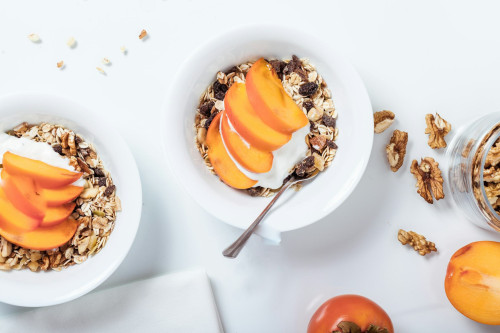
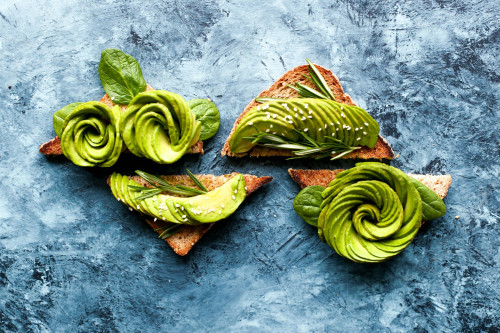
A helpful approach is to focus on adding rather than restricting. Instead of cutting out certain foods, try adding more fruits, vegetables, whole grains, and protein sources. This naturally makes your meals more nourishing without making you feel deprived.
Eat with Enjoyment and Presence
Food isn’t just fuel—it’s also culture, connection, and joy. When you eat mindfully, you get more satisfaction from your meals, both physically and emotionally. Sit down, put away distractions, and really taste your food. You’ll notice when you’re satisfied and enjoy the experience more fully.
Enjoyment isn’t the opposite of health—it’s part of it. When you allow yourself to take pleasure in eating, you’re less likely to overeat or feel out of control around certain foods.
Plan Without Controlling
Even without strict rules, a little planning can make balanced eating easier. A flexible meal plan isn’t about control—it’s about creating structure that supports your well-being.
- Plan your week, but leave room for spontaneity.
- Keep nutritious staples on hand—like eggs, canned beans, frozen veggies, and whole grains—for quick, easy meals.
- Maintain a regular eating rhythm to avoid getting overly hungry and overeating later.
Planning brings calm and convenience—but it should be a tool, not a trap.
Health Is About the Whole Picture
Balanced eating is just one piece of overall well-being. Sleep, movement, stress management, and social connection all play a role. If you’re eating a variety of foods, moving your body regularly, and feeling good in your daily life, you’re already on the right track.
Eating without rules is ultimately about finding a rhythm that feels sustainable—not just for your body, but for your mind. When you let go of control and focus on the bigger picture, health stops being a project and becomes a natural part of living well.
Læs også: