Pasta with Purpose: Flavor, Fullness, and Balance in Every Bite

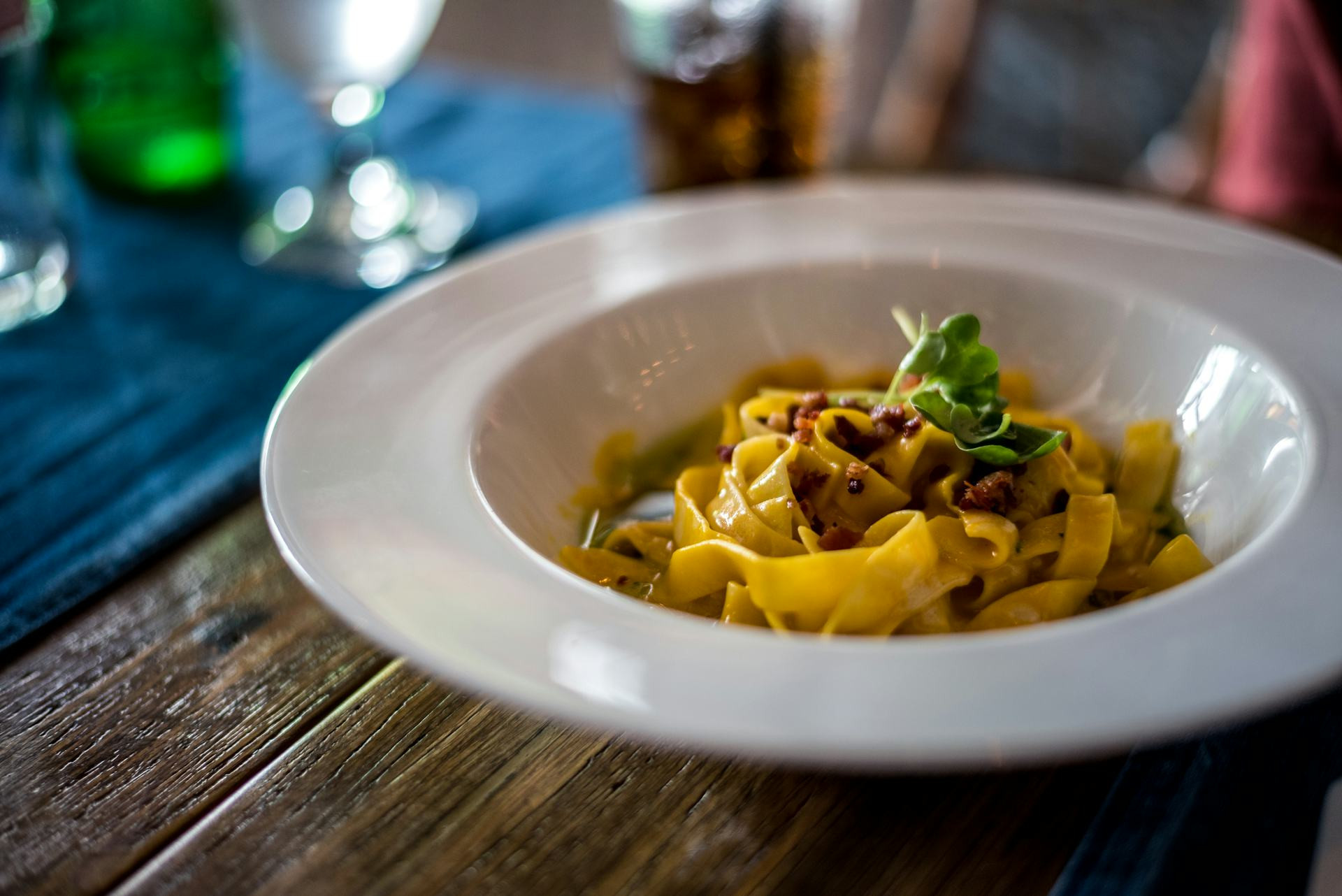
Pasta with Purpose: Flavor, Fullness, and Balance in Every Bite
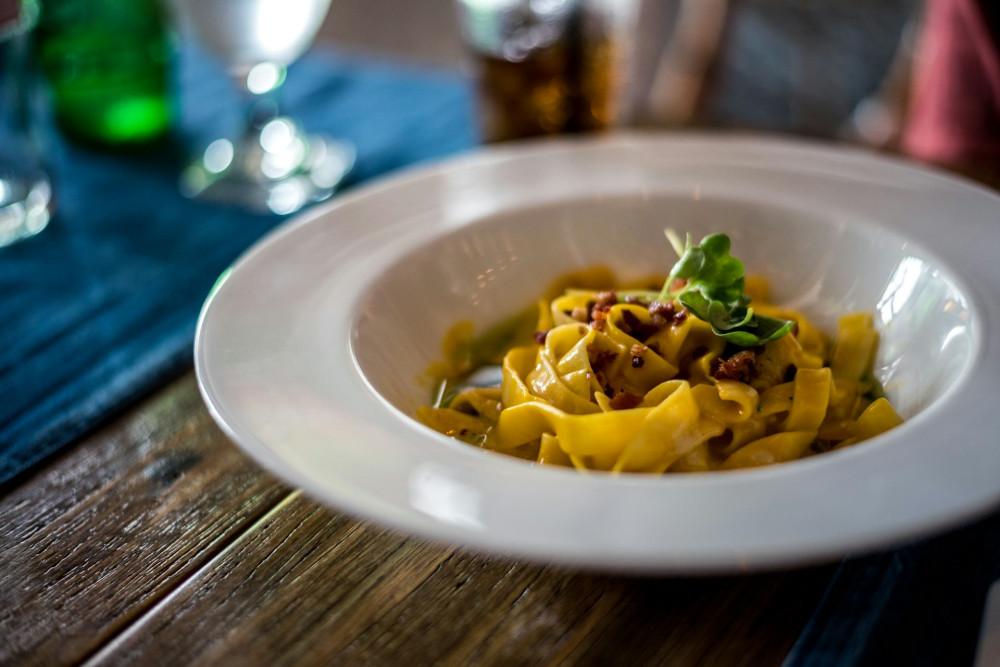
For many Americans, pasta is the ultimate comfort food — quick, affordable, and endlessly satisfying. But pasta can be much more than a weeknight staple. With a few thoughtful choices, it can become a balanced, nourishing meal that fuels your body and delights your taste buds. Here’s how to bring purpose to your pasta — without sacrificing flavor or joy.
From White to Whole Grain – Small Choices, Big Impact
The first step toward a more balanced pasta dish starts with the pasta itself. Traditional white pasta is a classic, but whole-grain varieties offer more fiber, vitamins, and minerals — and they keep you full longer. If you’re not ready to go all in, try mixing half whole-grain and half regular pasta for a smoother transition and a more rounded flavor.
You can also explore pasta made from lentils, chickpeas, or peas. These options are higher in protein and perfect if you’re cutting back on meat or eating more plant-based meals. Plus, they add a beautiful color and a subtle nutty taste that pairs well with many sauces.
The Sauce – The Heart of the Dish
A great pasta dish isn’t just about the noodles — the sauce is where the magic happens. A simple tomato sauce can be elevated with vegetables like carrots, celery, and bell peppers, which add natural sweetness and depth.
If you’re craving something creamy, try swapping heavy cream for ricotta, cottage cheese, or even blended cauliflower. You’ll get the same silky texture with fewer calories and more nutrients.
And don’t forget the herbs: fresh basil, thyme, or parsley can transform even the simplest dish into something special.
Protein and Veggies – The Key to Balance
To make your pasta more satisfying and nutritious, think about balance — combining carbohydrates, protein, and vegetables in every bowl.
- Add protein with chicken, shrimp, beans, or lentils. It helps stabilize blood sugar and keeps you full longer.
- Load up on veggies like spinach, zucchini, broccoli, or cherry tomatoes. They add color, freshness, and essential nutrients.
- Finish with healthy fats such as a drizzle of olive oil, a sprinkle of nuts, or a touch of grated Parmesan. These round out the flavor and provide beneficial fatty acids.
With this approach, pasta becomes more than a carb-heavy comfort food — it becomes a complete, energizing meal.
Læs også:
Portion and Mindful Eating
Even the best pasta can feel heavy if the portion is too large. A good rule of thumb is to let pasta make up about one-third of your plate, with the rest filled with vegetables and protein.
Eat slowly and savor each bite. Giving your body time to recognize fullness helps you eat just the right amount — without feeling deprived. Pasta isn’t about restriction; it’s about mindful enjoyment.
Pasta as a Daily Ritual
Cooking pasta can also be a way to unwind. It doesn’t require fancy equipment, and the possibilities are endless. Try making fresh pasta on a weekend — it’s easier than you might think and offers a completely different texture and flavor. Or prepare a big batch of sauce to use throughout the week with small variations.
When you take time to cook with care, pasta becomes more than a meal — it becomes a small ritual, a moment to nourish both body and mind.
Flavor, Fullness, and Meaning in Every Bowl
Pasta with purpose isn’t about counting calories or following strict rules. It’s about finding balance — eating something that tastes good and feels good afterward.
With just a few mindful adjustments, you can turn a simple pasta dish into a meal that brings energy, satisfaction, and calm. Because in the end, that’s what food should do: bring meaning to everyday life, one bite at a time.
Læs også: